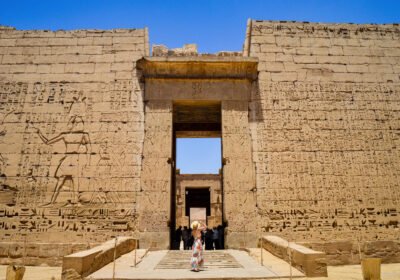
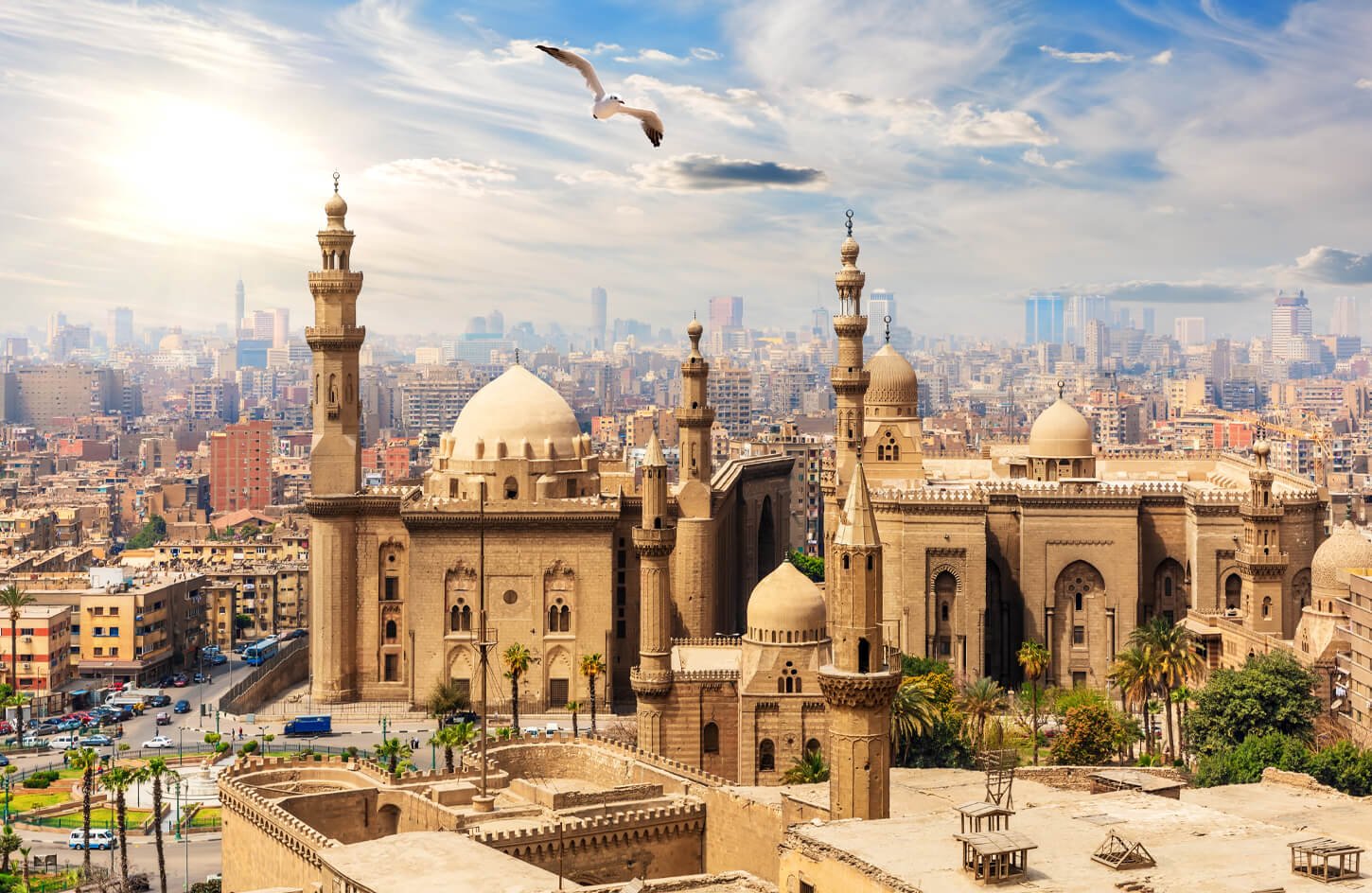
As you step into the ancient heart of the city, you’re immediately immersed in a world of stunning mosques and bustling markets. The historic streets that weave through this vibrant area have been the heartbeat of the region for centuries.
Rich in history, architecture, and culture, this destination is a treasure trove waiting to be explored. You’ll discover historic streets lined with fascinating landmarks, vibrant markets offering a wide range of local goods, and breathtaking mosques that showcase the region’s architectural prowess.
The Rich Heritage of Islamic Cairo: What Makes It Special
When you enter Islamic Cairo, you step into a world where history and faith meet. This place is filled with stunning Islamic architecture. You’ll see the Al-Azhar Mosque and the Sultan Hassan Mosque.
The Islamic Cairo heritage makes it unique. It’s full of history, with landmarks showing Islamic architecture’s growth over time. You’ll see detailed stone carvings, grand domes, and tall minarets. Each part of Islamic Cairo’s buildings tells a story of its culture and faith.
Walking through Islamic Cairo, you feel its historic significance. You can visit mosques, madrasas, and monuments. They’ve been kept and fixed, showing us what life was like long ago.
How to Plan Your Visit: Best Seasons, Hours, and Essential Items
Planning ahead is key to a great trip to Islamic Cairo. The best time to go is from October to February. The weather is cooler, perfect for walking around.
Remember to dress modestly when visiting mosques. Cover your shoulders and knees to show respect. Also, wear comfortable shoes because you’ll be walking a lot.
Don’t forget to bring sunscreen, a hat, and sunglasses to protect yourself from the sun. Also, carry water and snacks to stay hydrated and energized. A map or guidebook will help you find your way.
Being prepared will help you enjoy Islamic Cairo to the fullest. You’ll have a memorable trip.
Getting Around Islamic Cairo: Transportation Options and Walking Routes
Exploring Islamic Cairo is easy with many ways to get around. Taxis and Uber are great for longer trips. The metro is also handy for reaching the area from other parts of Cairo.
Using Public Transportation: The metro is a smart choice to get to Islamic Cairo. You can go to the Arab al-Raml station or Al-Sadat station. Then, a short taxi ride will take you where you need to go.
Walking is a fantastic way to see Islamic Cairo’s narrow streets and alleys. It lets you find hidden spots and enjoy the local vibe. Try walking along Al-Muizz Street, filled with historic mosques and monuments. Or visit the Khan el-Khalili market for lively shopping and food.
When you walk, wear comfy shoes and drink water. Thinking about a local guide can also help. They know a lot about the area’s history and landmarks.

Exploring the Magnificent Mosques: Al-Azhar, Ibn Tulun, and Sultan Hassan
Your journey through Islamic Cairo wouldn’t be complete without visiting its iconic mosques. These mosques are filled with history and architectural grandeur. Each mosque has its own unique story to tell.
The Al-Azhar Mosque, founded in 970 AD, is one of the oldest and most prestigious mosques. It’s not just a religious site but also a center of Islamic learning. Scholars and visitors from around the world come here.
As you explore its courtyards and halls, you’ll see a blend of architectural styles. This reflects the mosque’s rich history.
Another must-visit is the Ibn Tulun Mosque, built in the 9th century. It’s one of the oldest mosques in Egypt. It’s famous for its unique architecture, like its striking minaret.
The mosque’s design is a fine example of Abbasid architecture. Its serene atmosphere offers a peaceful escape from Cairo’s busy streets.
The Sultan Hassan Mosque is a masterpiece of Mamluk architecture. Its massive dome and minarets stand out in Islamic Cairo. This mosque shows the region’s rich cultural heritage.
Visiting these mosques gives you a glimpse into Islamic Cairo’s spiritual and cultural heart. Each mosque has its own unique character and history. They are must-visit places for anyone interested in Islamic culture and architecture.
How to Navigate Khan el-Khalili: Shopping Tips and Notable Spots
Navigating Khan el-Khalili can be tough. But with some insider tips, you can discover its secrets.
First, get ready to haggle. It’s key at Khan el-Khalili. Vendors expect it. It’s a fun way to connect with the local culture. Start with half the price and go up from there.
While wandering, look for notable spots like Midaq Alley. It’s famous for perfumes and spices. You’ll also find cool souvenirs like handmade jewelry and metalwork.
Shopping Tips
Arrive early to dodge the crowds and heat. Explore the hidden shops and stalls. They have unique and authentic items.
Also, watch your stuff to avoid pickpocketing. Be respectful of local customs and traditions.
Follow these tips and enjoy Khan el-Khalili’s lively vibe. You’ll find amazing souvenirs with confidence.
Walking Al-Muizz Street: A Step-by-Step Guide to the Historic Corridor
Al-Muizz Street is the heart of Islamic Cairo. It’s full of history and amazing buildings. Start your walk from Bab al-Futuh and see some key landmarks.
The first place you’ll see is the Al-Hakim Mosque. It’s a beautiful building from the Fatimid era. Take your time to look at the details and the historic significance of this mosque.
Next, you’ll find the Qalawun Complex. It shows the area’s rich history. This complex is a must-see. Also, explore the small alleys and streets off the main road. They have hidden gems and local secrets.
Walking Al-Muizz Street, you’ll feel Islamic Cairo’s past all around you. It’s not just about seeing buildings. It’s about diving into the area’s history and culture. Every step reveals more about Al-Muizz Street and Islamic Cairo’s identity.
To enjoy your tour, visit during cooler hours and wear comfy shoes. With this guide, you’re set for a memorable walk through Al-Muizz Street. Explore Islamic Cairo’s historic corridor.
Visiting the Citadel and Muhammad Ali Mosque: Practical Tips and History
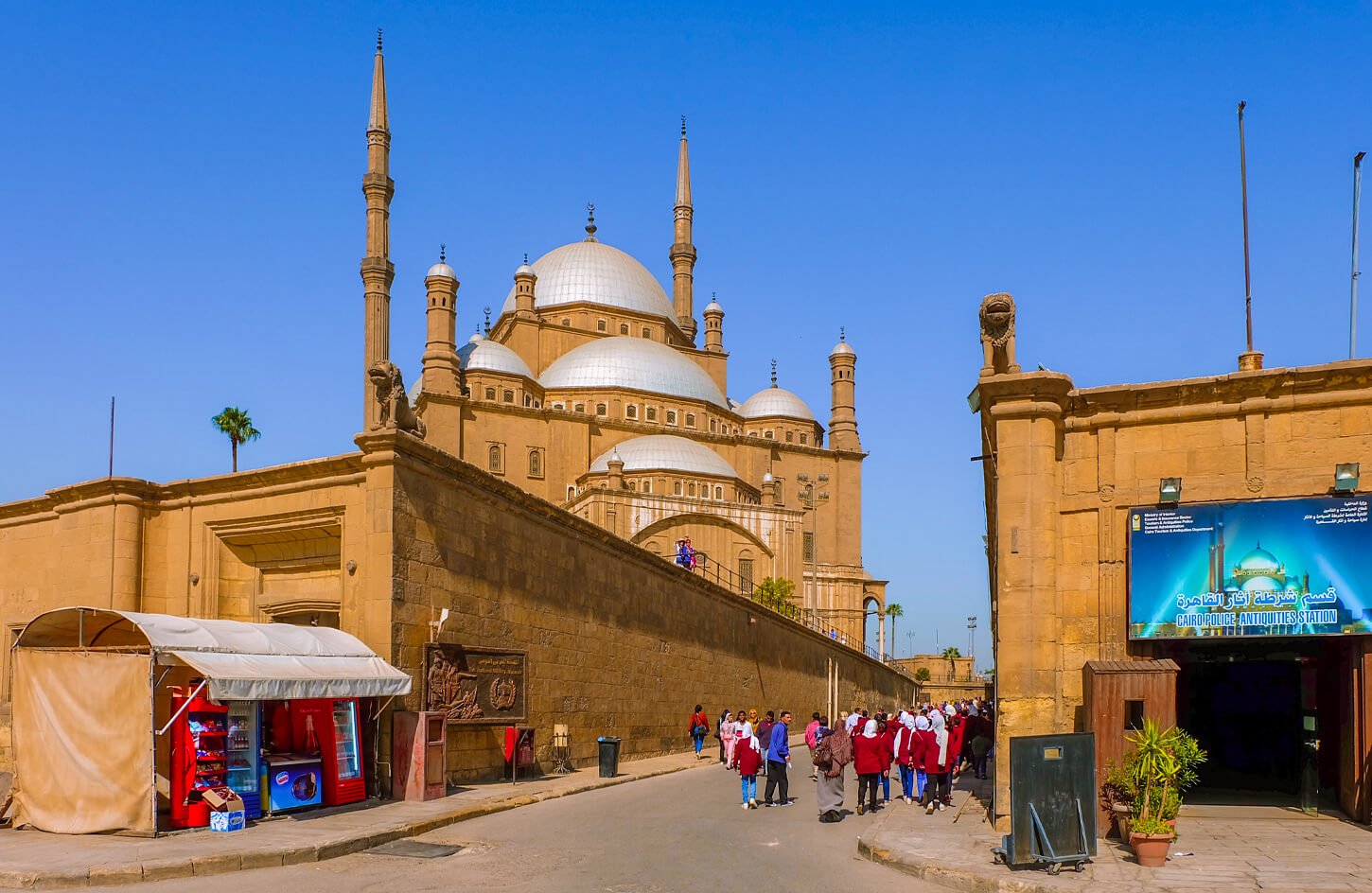
The Citadel of Cairo sits on a hill, offering amazing views of the city. It’s a medieval Islamic fort with mosques, museums, and historic buildings. It’s a top spot in Islamic Cairo.
The Muhammad Ali Mosque is a highlight of the Citadel. Built in the 19th century, it’s known for its beauty. Remember to dress modestly since it’s a religious site.
Here are some practical tips for your visit: get there early to beat the crowds and heat. Wear comfy shoes and stay hydrated. Guides can share interesting facts about the site.
The Citadel has a long history, starting in the 12th century. It was once a royal home, military base, and even a prison. Now, it shows Cairo’s rich past to visitors.
Don’t miss the views from the Citadel’s ramparts. History, architecture, and views make your visit unforgettable.
Discovering Hidden Gems: Lesser-Known Monuments and Local Favorites
Islamic Cairo is full of famous landmarks, but it also has many hidden treasures. As you wander around, you’ll find hidden gems that are full of history and beauty.
The Bayt Al-Suhaymi is a restored historic house that shows off Islamic architecture. The Al-Aqmar Mosque is famous for its unique façade that has lasted for centuries. These places give you a peek into the lives of those who lived here long ago.
Don’t miss the local markets and smaller mosques that tourists often skip. These lesser-known monuments let you experience Islamic Cairo’s culture up close. Exploring these hidden spots will help you understand the area’s rich history and heritage.
Where to Find Authentic Crafts: Ceramics, Metalwork, and Textiles
Islamic Cairo is full of authentic traditional crafts. You can find everything from beautiful ceramics to stunning metalwork. The area is known for its skilled artisans who make pieces that show off the region’s rich culture.
Looking for authentic crafts in Islamic Cairo? Check out local workshops and markets. Ceramics are a big hit, with artisans making everything from plates to vases. You can see them working on these pieces along historic streets.
Metalwork is also a must-see. You’ll find items like lanterns, jewelry, and boxes with intricate designs. The traditional techniques used by local craftsmen make these pieces truly unique.
Textiles are another big part of Islamic Cairo’s craft scene. You can find fabrics like cotton, silk, and wool, often with beautiful patterns and embroidery. Khan el-Khalili market is a great place to see these crafts up close and buy some souvenirs.
Tasting Islamic Cairo: Traditional Restaurants and Street Food Spots
As you explore Islamic Cairo’s historic streets, you’ll find a world of flavors. The area is filled with traditional restaurants offering real Egyptian dishes. You can enjoy everything from stews and kebabs to sweet pastries and desserts.
For a real local taste, try the street food at stalls and markets. Koshari, a mix of pasta, lentils, and tomato sauce, and ta’ameya, Egyptian falafel, are must-tries. These dishes are tasty and show the local food culture.
Check out local spots near Al-Azhar Mosque and Khan el-Khalili for traditional meals in old settings. Don’t miss trying local sweets like baklava and basbousa at area cafes.
Conclusion: Making the Most of Your Islamic Cairo Experience
Visiting Islamic Cairo is a memorable trip. It’s filled with historical sites, lively markets, and a deep cultural heritage. As you plan, explore the amazing mosques like Al-Azhar and Sultan Hassan. Also, don’t miss the Khan el-Khalili market.
To enjoy Islamic Cairo fully, follow the tips in this article. Plan your visit during the best times and walk along Al-Muizz Street. Islamic Cairo offers stunning architecture and a lively culture. It has something for everyone, from history buffs to shoppers and food lovers.
Being prepared helps you make lasting memories. So, take your time, enjoy the vibe, and discover the mix of old and new Cairo. This will make your visit to Islamic Cairo unforgettable.