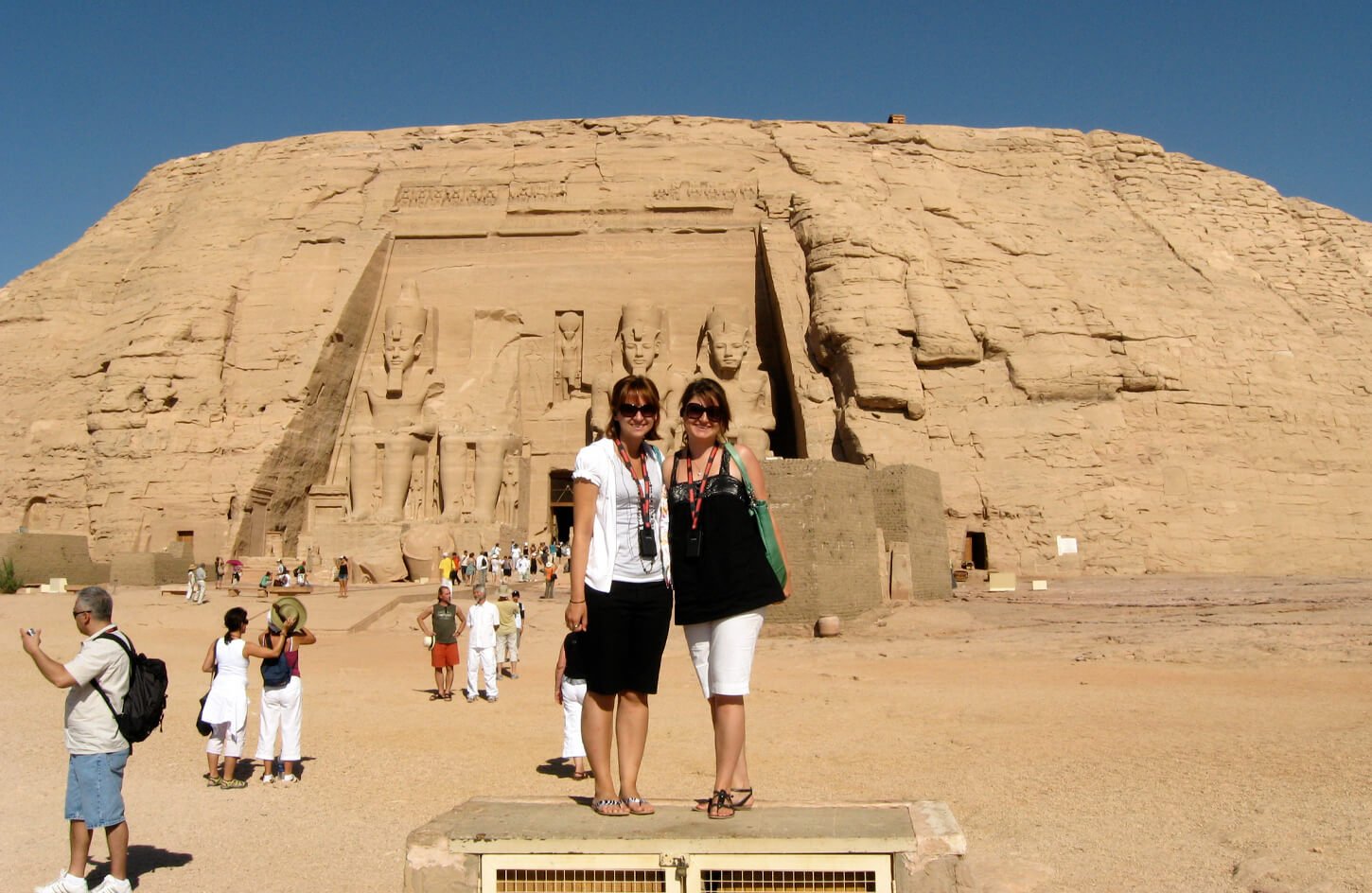
Imagine standing before a huge structure carved into the mountainside. It’s on the west bank of the Nile River in southern Egypt. The temples of Ramses II, known as Abu Simbel, are unforgettable.
They were built to celebrate a great victory. These temples show the ancient Egyptians’ skill in engineering and architecture.
As you learn about these Egyptian landmarks, you’ll discover their amazing story. You’ll see how they were moved to their current spot. Their grandeur and detailed carvings will take you back in time. They offer a peek into Egypt’s rich cultural past.
The Historical Significance of Abu Simbel
Exploring Abu Simbel reveals its deep impact on ancient Egyptian culture. The temples were built to honor Ramses II and his queen Nefertari. They celebrate his victory at the Battle of Kadesh. This complex shows ancient Egypt’s grandeur and skill in building.
The temples’ construction was a huge project that showed Ramses II’s power. They were carved into the mountainside, showing the ancient Egyptians’ engineering skills. The big temple is for Ramses II, and the small one is for Nefertari. This shows how important their relationship was in ancient Egypt.
Abu Simbel’s importance goes beyond Ramses II. It marks a key moment in ancient Egyptian history. The temples are filled with carvings and hieroglyphics. These tell stories of ancient Egypt’s myths and legends, giving us a peek into their culture and beliefs.
To truly understand Abu Simbel, we must know its history. The temples honored Ramses II’s military wins and his right to rule. This made him a key figure in ancient Egyptian history.
Understanding the Two Temples of Abu Simbel
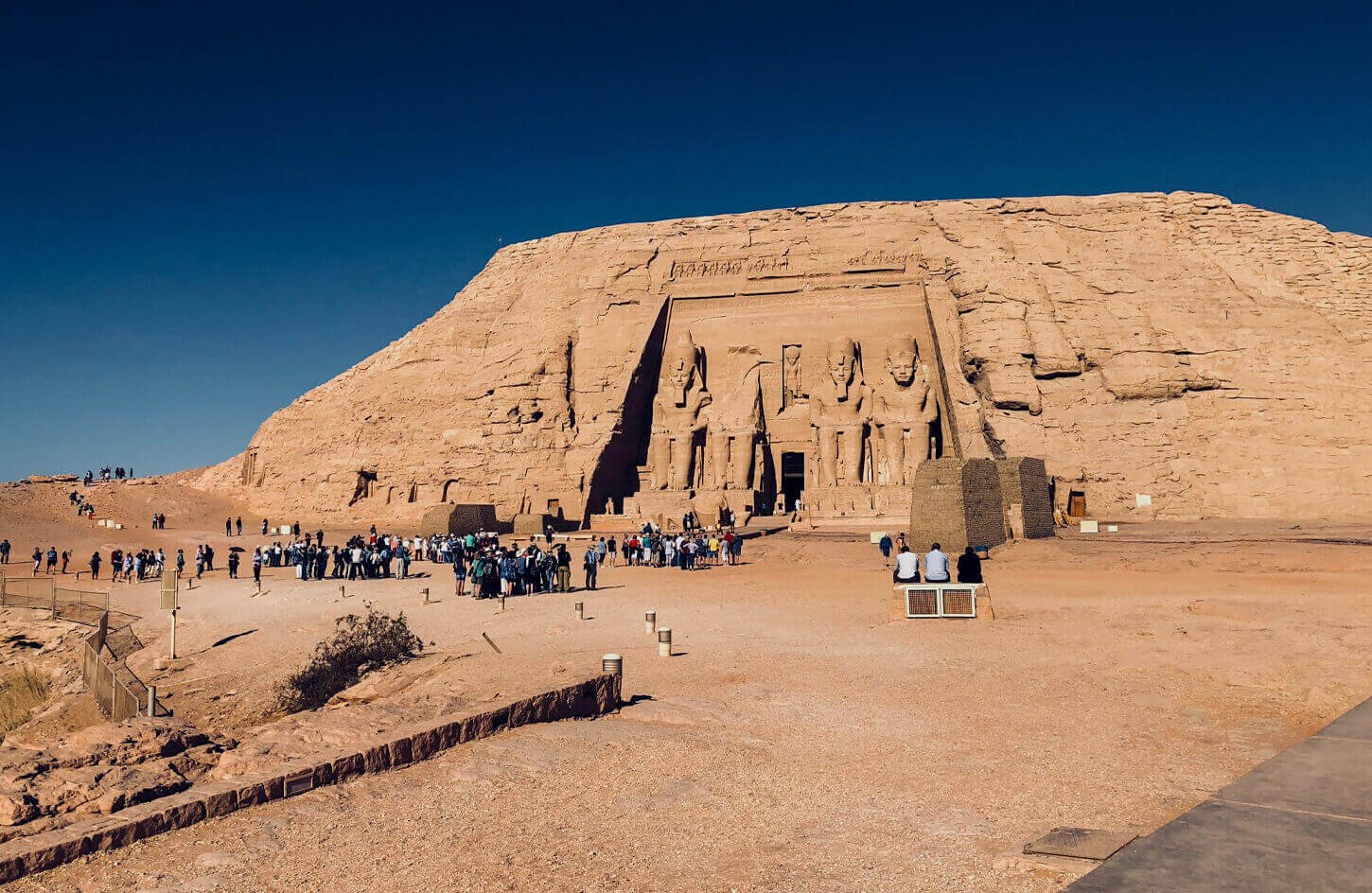
Exploring Abu Simbel reveals the rich history of its two temples. The Great Temple is a huge structure for Ramses II and gods Amun, Ra-Horakhty, and Ptah. It’s famous for its giant statues of Ramses II, standing guard at the entrance.
The Great Temple’s front is 33 meters high and 38 meters wide. It was carved into the cliff. Inside, you’ll see huge Ramses II statues and smaller ones of his family, like Nefertari. The walls show Ramses II in battles and rituals, showing his power.
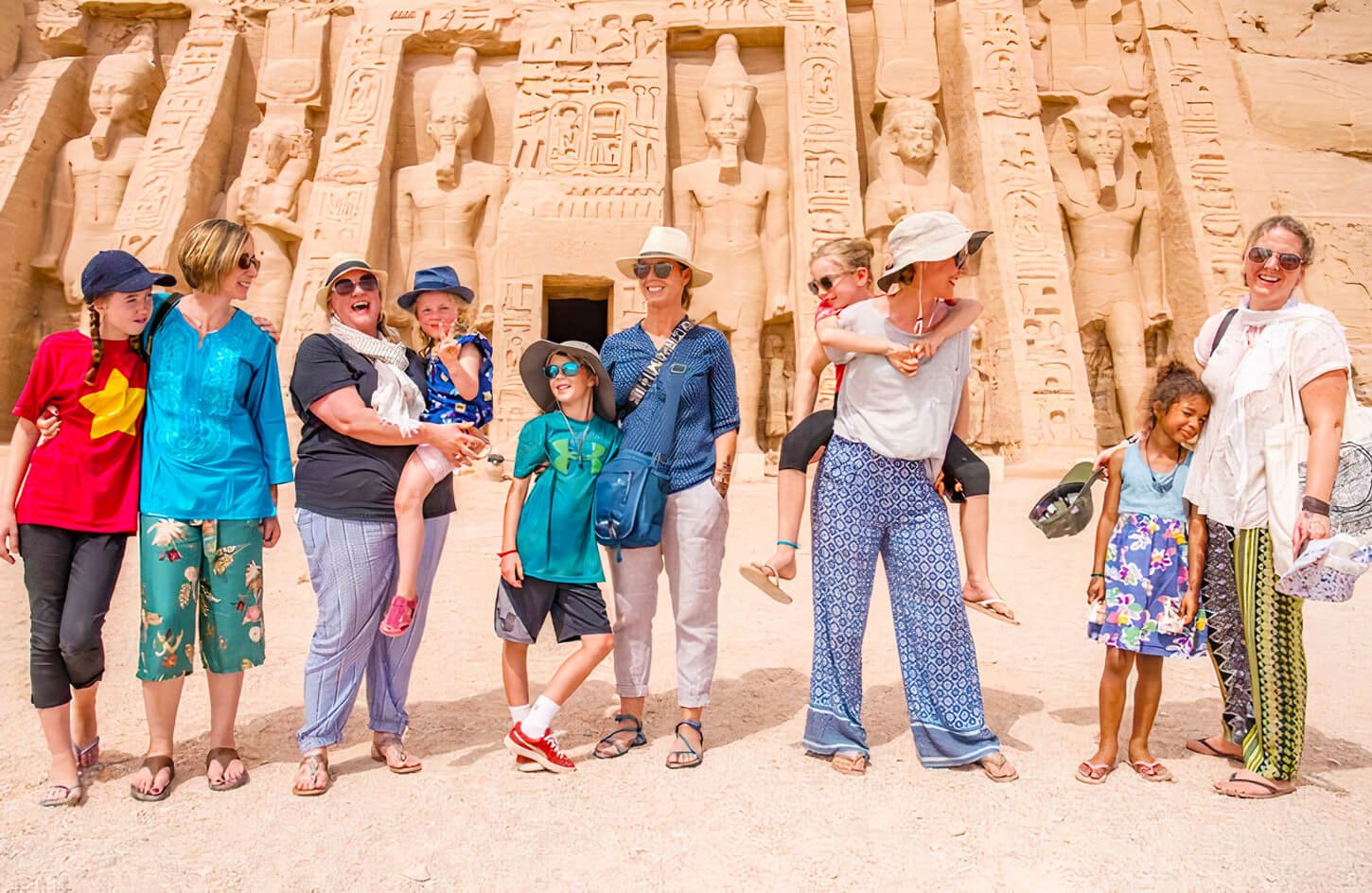
The Small Temple is for Nefertari and goddess Hathor. It shows Nefertari’s important role in Ramses II’s time. The front has six statues, with Nefertari next to Ramses II. Inside, the carvings and paintings are still amazing today.
Both temples are amazing for their design and what they tell us about ancient Egypt. They show the religious and cultural life of Ramses II’s time. The temples’ design and the gods they honor show the complex beliefs and the royal couple’s special status.
Visiting Abu Simbel’s temples is like going back in time. You’ll see the grandeur of ancient Egypt’s pharaohs. Exploring these temples helps you understand their history and the lasting impact of Ramses II and Nefertari.
The Remarkable Rescue of Abu Simbel
In the 1960s, the Abu Simbel temples were in danger. The Aswan High Dam was being built. This dam created a huge lake, Lake Nasser, that could cover the temples.
UNESCO’s Intervention: UNESCO knew how important Abu Simbel was. They worked with countries around the world to save it. They moved the temples to a safer place, using new engineering and teamwork.
Moving the temples was hard. They were taken apart, numbered, and moved up 65 meters and back 180 meters. This big job was done by 1980, saving the temples for us to see today.
The rescue of Abu Simbel shows what we can do together. It shows how important it is to protect our cultural treasures. Now, you can see these amazing temples and learn about the big effort to save them.
Planning Your Visit to Abu Simbel
The temples of Abu Simbel are a must-see in Egypt. With the right planning, your trip will be unforgettable. Think about how you’ll get there and when to go.
Transportation Options to Abu Simbel vary. You can fly into Abu Simbel Airport from Aswan and other cities. Or, you can drive and see Lake Nasser’s views. You can also take a boat cruise.
The best time to visit Abu Simbel is from October to April. The weather is cooler, making it easier to explore. But, you’ll see more people, which can be good or bad.
Planning Tips help make your visit smooth. Book your transport and tours early, mainly in peak seasons. Also, check the temples’ hours to plan your day well.
By planning ahead, your Abu Simbel visit will be memorable. You’ll enjoy the temples’ history, architecture, or the journey there. Your trip to Abu Simbel will be a top highlight of your Egyptian adventure.
Best Times to Visit the Abu Simbel Temples
The best time to visit Abu Simbel depends on your weather and event preferences. The temples are open all year. But, the experience changes a lot based on when you go.
The weather in Abu Simbel is usually warm. But, it gets very hot in summer. Winter is the best season to visit. It’s cooler, perfect for exploring the temples.
Seeing the Abu Simbel Sun Festival is a unique experience. It happens twice a year, on February 22nd and October 22nd. During this time, the sun lights up the inner statues of the Great Temple, creating a stunning sight.
If you want to see the Sun Festival, plan your visit right. The festival itself is a big draw. But, the days before and after are also great. The temples are less crowded then.
In short, visit Abu Simbel in winter for nice weather. Or, go during the Sun Festival for a special experience. Planning your visit for these times will make your trip better.
The Abu Simbel Sun Festival: A Twice-Yearly Phenomenon
As the sun rises over the Egyptian desert, the Abu Simbel Sun Festival lights up the statues inside the Great Temple. This creates an unforgettable experience. You are about to see a phenomenon that has amazed visitors for centuries. It shows the genius of ancient Egyptian architects.
The Abu Simbel Sun Festival happens because of the temple’s special design. Twice a year, on February 22 and October 22, the sun’s rays enter the temple. They light up the statues of Ramses II and the gods inside. This is not a coincidence but a deliberate choice by the ancient Egyptians to honor Ramses II and the gods.
The science behind this is rooted in ancient Egyptian astronomy. The architects of Abu Simbel showed a deep understanding of astronomy. They aligned the temple with the sun’s path. This lets the sun’s rays light up the inner sanctum of the Great Temple, showing the statues of Ramses II and the gods.
Seeing the Abu Simbel Sun Festival is a unique experience. You’ll see the sun’s rays slowly light up the dark inner chamber. This moment is both calm and amazing. The festival celebrates the rich cultural heritage and astronomical knowledge of ancient Egypt.
Understanding the Abu Simbel Sun Festival makes you appreciate the temples more. It’s not just a marvel of architecture but a window into an ancient civilization’s beliefs, knowledge, and practices. As you see this phenomenon, you connect with a history that goes back millennia.
Transportation Options to Reach Abu Simbel
Getting to Abu Simbel in Egypt is simple with many travel choices. You can fly from Aswan, take a Nile cruise, or drive. Each way offers a special experience.
A short flight from Aswan is a quick and easy way to get there. It saves time and shows off Egypt’s beauty. Many airlines fly there every day.
For a slower trip, try a Nile cruise. Cruises stop at many sites, letting you see Egypt’s history and the Nile’s views. It’s great for those who like to take it easy and see more places.
Driving to Abu Simbel is for the bold. It’s longer but lets you see Egypt’s countryside and rural areas. But, you must plan well because the trip is long.
Every way to get to Abu Simbel has its good points. You can choose based on how fast you want to go, what you like to see, or if you want an adventure. There’s a perfect option for everyone.
Essential Tips for Exploring the Temples
Before you visit the Abu Simbel temples, here are some tips. These temples, built by Ramses II, show off ancient Egyptian architecture. They are also a key historical site that needs respect and preparation.
Preparation is Key: Get ready for the desert climate before you go. It’s important to stay hydrated, so bring enough water. Wear comfy clothes and protect yourself from the sun with a hat, sunglasses, and sunscreen.
When you’re at the temples, be respectful. Don’t touch the walls or carvings because your skin oils can harm them. You can take photos, but watch for any rules, like during special sun events.
Capturing Memories: Taking photos is a great way to remember Abu Simbel. For the best photos, go in the early morning or late afternoon. Look for the detailed carvings and huge statues.
Lastly, take your time to understand the temples’ history and importance. Guided tours can give you interesting facts about Abu Simbel. This will make your visit even better.
Conclusion: Making the Most of Your Abu Simbel Experience
Reflecting on your trip to Abu Simbel, you see it’s more than a visit. It’s a chance to connect with ancient history and make lasting memories. The temples, built by Ramses II, show the skill and creativity of ancient Egypt.
To enjoy your visit, use the tips given earlier. Plan your trip for the best times and get ready for the journey. The Sun Festival, happening twice a year, is a special event. It makes the sun’s rays shine into the Great Temple’s inner sanctum.
Exploring the temples, notice the detailed carvings and the statues’ grandeur. Knowing the history behind these structures makes your experience richer. You’ll leave with memories that will stay with you forever.