You are about to explore one of Egypt’s most revered ancient sites. It’s a place where the concept of kingship was revered and rejuvenated thousands of years ago.
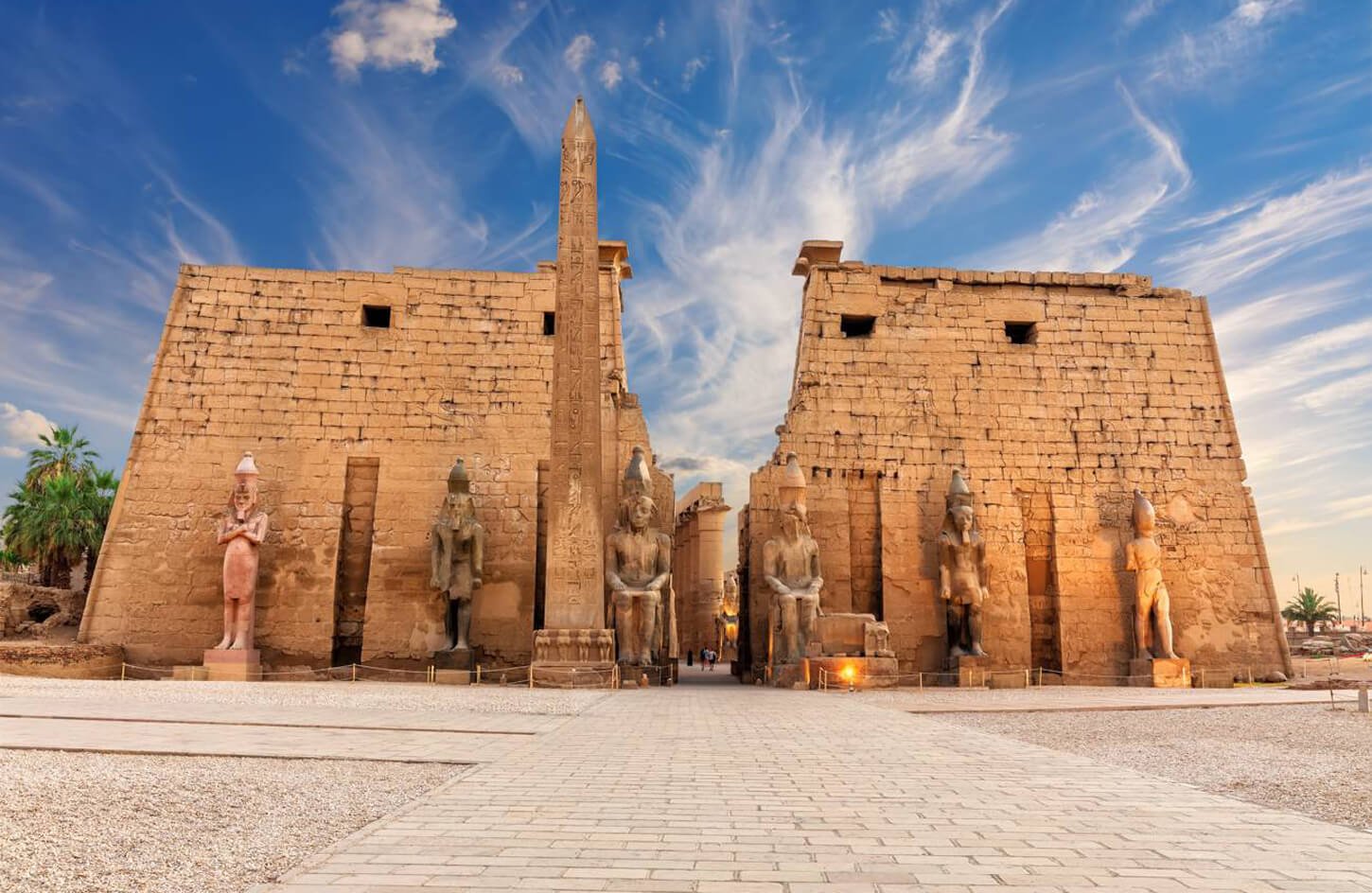
The Luxor Temple is on the east bank of the Nile River. It’s an impressive ancient temple complex that has lasted since its construction around 1400 BCE.
As a sanctuary of great historical significance, it offers a glimpse into Egypt’s rich cultural heritage. It shows the importance of kingship in ancient Egyptian society.
Visiting this site, you’ll be immersed in a world of ancient grandeur. Its intricate architecture and historical significance give a unique insight into the past.
The Historical Evolution of Luxor Temple
Luxor Temple is very important because of its history. It was built during the New Kingdom era. The first pharaoh, Amenhotep III, started it. It was for Amun, Mut, and Khonsu, key gods in ancient Egypt.
Many pharaohs changed the temple over time. Tutankhamun and Horemheb added to it. Ramesses II made it even more impressive. These changes made the temple bigger and more important.
The temple’s design shows the beliefs of ancient times. It’s aligned with Karnak Temple, showing its role in rituals. Visiting Luxor Temple lets you see the ancient Egyptians’ skill and history.
Learning about Luxor Temple’s history helps us appreciate it more. It shows the greatness of ancient Egypt and the New Kingdom period. It gives us a peek into their beliefs, politics, and society.
How to Plan Your Perfect Visit to Luxor Temple
Getting ready to visit Luxor Temple? Knowing the best times and what to expect will make your trip better. The temple is open all year. But, the cooler months are best for exploring.
Tips for Visiting Luxor Temple
Plan to spend a few hours here. This lets you enjoy the history and beauty without rushing.
The best time is from October to February. The weather is mild, perfect for walking and seeing the ancient details.
Making the Most of Your Visit
Try to visit early morning or late afternoon. This avoids the hot sun. Also, visit when it’s less busy for a calmer experience.
With good planning, your visit to Luxor Temple will be rewarding. It’s great for history lovers, architecture fans, or anyone who loves ancient sites.
Navigating to Luxor Temple: Transportation Options and Routes
Luxor Temple is in the heart of Luxor. It’s easy to get there by different ways. You can fly, drive, or take a boat.
The closest airport is Luxor International Airport (LXR). It’s 6 kilometers from the temple. You can take a taxi or shuttle from the airport. It’s a 10-15 minute ride, depending on traffic.
Driving to Luxor connects you to big cities in Egypt. Then, use local transport to the temple. Public buses and microbuses are cheap and run often. You can also get a taxi on the street or book one ahead.
Walking is a good choice if you’re near the city center. The temple is close to hotels and sights. Just walk east from the Nile River to get there.
Felucca rides along the Nile are also an option. They offer a beautiful way to see the temple. No matter how you travel, getting to Luxor Temple is easy and stress-free.
Understanding Entrance Fees, Opening Hours, and Best Visiting Times
To enjoy your visit to Luxor Temple, knowing the entrance fees, opening hours, and best times to visit is key.
The Luxor Temple welcomes visitors daily from 6:00 AM to 9:00 PM. Opening hours might change for special events or holidays. Always check the latest info before you go.
The entrance fees at Luxor Temple depend on your nationality and when you visit. Tickets cost differently for adults and students. Egyptian nationals get discounts.
Visiting in the early morning or late afternoon is best. These times have better weather and fewer people. It makes your visit more enjoyable.
Knowing these details helps you plan better. It makes your visit to this historic site more fun and stress-free.
How to Explore Luxor Temple: A Self-Guided Tour Route
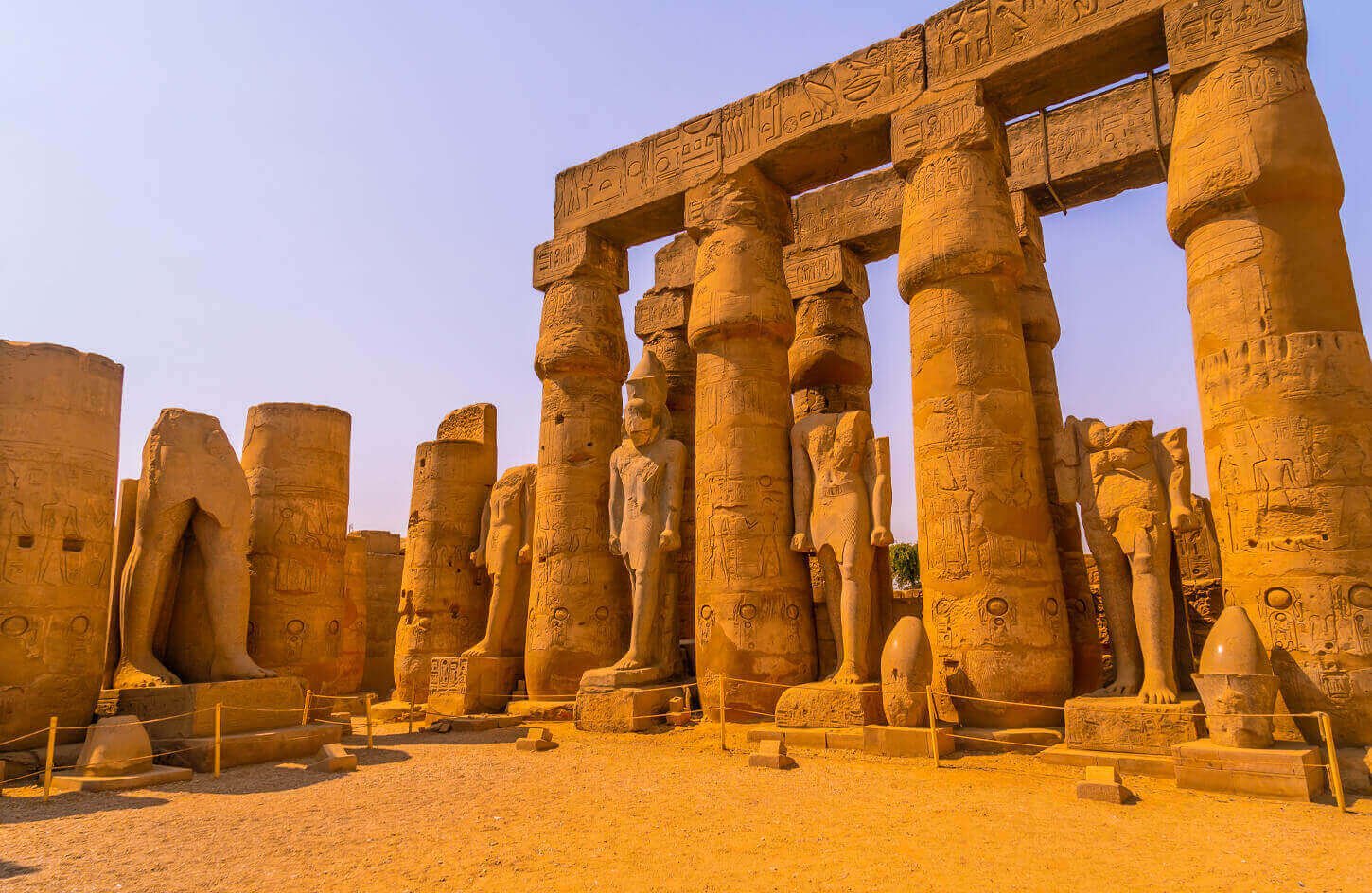
A self-guided tour of Luxor Temple lets you explore at your own pace. As you enter, the grand colonnade will amaze you. It’s a long avenue with huge pillars that once had a roof.
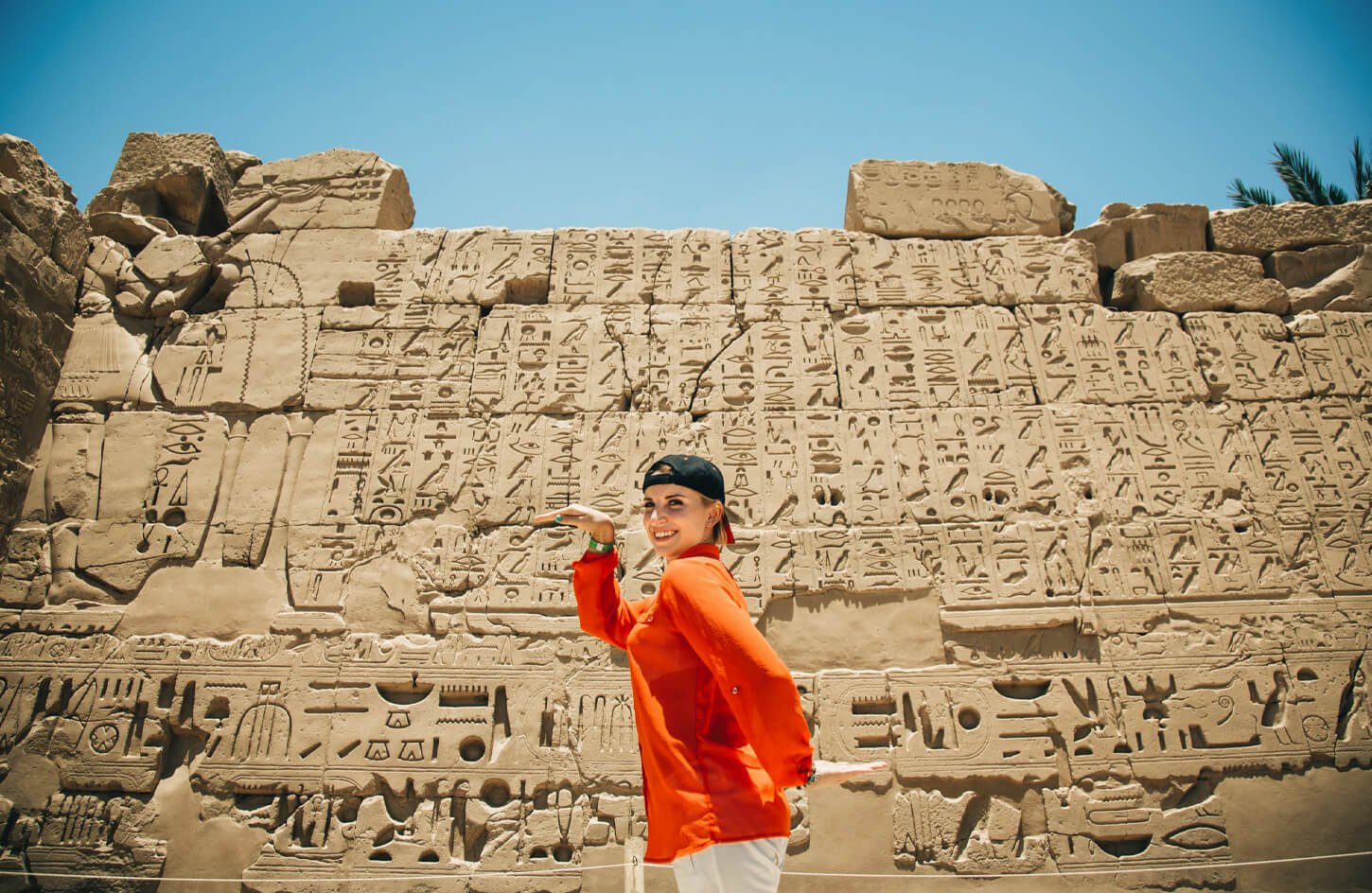
The grand colonnade is a key feature of Luxor Temple. It’s a good starting point for your tour. Walking here, you’ll see detailed carvings and hieroglyphics on the walls.
Key Highlights of the Grand Colonnade
The grand colonnade is not just beautiful; it’s also a peek into the past. It shows the religious and cultural life of ancient Egyptians. Look for scenes of the Opet Festival, a big ritual.
Next, you’ll see the hypostyle hall. It’s a huge room with many columns. This hall was for religious ceremonies and shows the ancient Egyptians’ engineering skills.
Then, visit the sanctuary. It’s the temple’s heart, where sacred rituals happened. The sanctuary is peaceful and lets you see the temple’s spiritual side.
As you explore, take your time to understand Luxor Temple’s history and importance. With these exploration tips, you’ll discover its secrets easily.
Decoding the Ancient Symbolism at Luxor Temple
Exploring Luxor Temple reveals its deep symbolism. It’s tied to Egyptian mythology and pharaonic beliefs. As you wander, you’ll see many symbols that were key to the ancient Egyptians.
The Avenue of Sphinxes shows the link between earth and sky. Sphinxes, with lion bodies and human heads, symbolize the pharaoh’s strength and knowledge.
The obelisks at the entrance are very important. These tall structures, covered in hieroglyphs, connect heaven and earth. They act as a bridge between gods and humans.
Throughout the temple, you’ll find gods and goddesses. Each one represents different parts of life and the universe. This shows the rich world of ancient Egyptian mythology.
Understanding these symbols lets you see ancient Egypt’s spiritual and cultural life. It makes your visit to Luxor Temple even more meaningful.
How to Photograph Luxor Temple Like a Pro
Luxor Temple is a stunning place for photographers. But, getting great shots takes more than just taking pictures. You need to think about lighting, how you arrange things, and the small details that make it special.
Optimal Lighting: The best time to take pictures is early morning or late afternoon. The soft, golden light makes the ancient stones look amazing. Stay away from the harsh midday sun to avoid bad shadows and highlights.
Composition Techniques: Try different angles and views. Shooting from low or high can make your photos more exciting. Adding people to your shots helps show the size and setting.
Capturing Details: Luxor Temple is famous for its detailed carvings and statues. Use a macro lens or your camera’s macro setting to get up close. Look at the stories and myths in the carvings to add depth to your photos.
By using these photography tips, you can capture Luxor Temple’s beauty and history. This will make your photography journey very rewarding.
Cultural Etiquette and Visitor Guidelines at Luxor Temple
When you visit Luxor Temple, knowing the cultural rules is key. It makes your visit better and shows respect. The temple is a big deal in history and religion.
At Luxor Temple, dressing modestly is important. Wear clothes that cover your shoulders and knees. It shows respect for the place and its people.
Also, you should remove your shoes in some areas or mosques. It’s a sign of respect and keeps things clean. Always listen to the signs or what the guides say about this.
Following these rules makes your visit better for you and the locals. It helps everyone have a good time. It also makes your visit more meaningful.
Combining Luxor Temple with Other Archaeological Wonders
To see the true beauty of ancient Egypt, visit Luxor Temple and other key sites. The Luxor area is full of historical spots. They help us understand ancient Egyptian culture and traditions.
The Karnak Temple is a must-see near Luxor Temple. It’s a huge complex with many buildings. It shows off ancient Egyptian architecture and their religious ways.
The Valley of the Kings is famous for its grand tombs. Many pharaohs, like Tutankhamun, are buried here. It’s a great place to learn about ancient Egyptian burial customs.
Don’t miss the Tombs of the Nobles either. These tombs have colorful paintings of daily life and rituals. They give us a peek into the social life and culture of ancient times.
Visiting these sites, along with Luxor Temple, makes for a great trip. You’ll get to see the best of ancient Egypt’s history and culture.
Essential Tips for an Unforgettable Luxor Temple Experience
An unforgettable visit to Luxor Temple needs good planning and knowledge of the culture. Here are some tips to help you.
First, plan your visit based on the weather. Luxor gets very hot in summer. So, go early in the morning or late in the evening. Wear comfy shoes and clothes that fit the weather.
Second, be respectful of the local culture and traditions. Dress modestly. Don’t take pictures of people or inside places without asking. This shows respect and makes your visit better for everyone.
Third, take your time to explore the temple. Luxor Temple is full of history and amazing architecture. Take a guided tour or explore on your own. This way, you’ll see all the details and symbols.
Last, visit other local sights too. Luxor has many archaeological wonders. Seeing these places can help you understand and enjoy the temple more.
By following these tips, you’ll have a great time at Luxor Temple. Being ready, respectful, and open to the site’s history and culture will make your visit unforgettable.
Conclusion: Embracing the Timeless Majesty of Luxor Temple
Standing before Luxor Temple, you see more than just history. You feel the timeless beauty that has drawn people for centuries. This temple shows Egypt’s rich past and culture, still amazing visitors today.
Your visit to Luxor Temple is special. It’s a chance to learn about this important place. By exploring and respecting it, you help keep its history alive for others.
Leaving Luxor Temple, you remember more than just a visit. You understand the value of preserving our cultural treasures. You take with you a newfound respect for Luxor Temple’s enduring beauty.